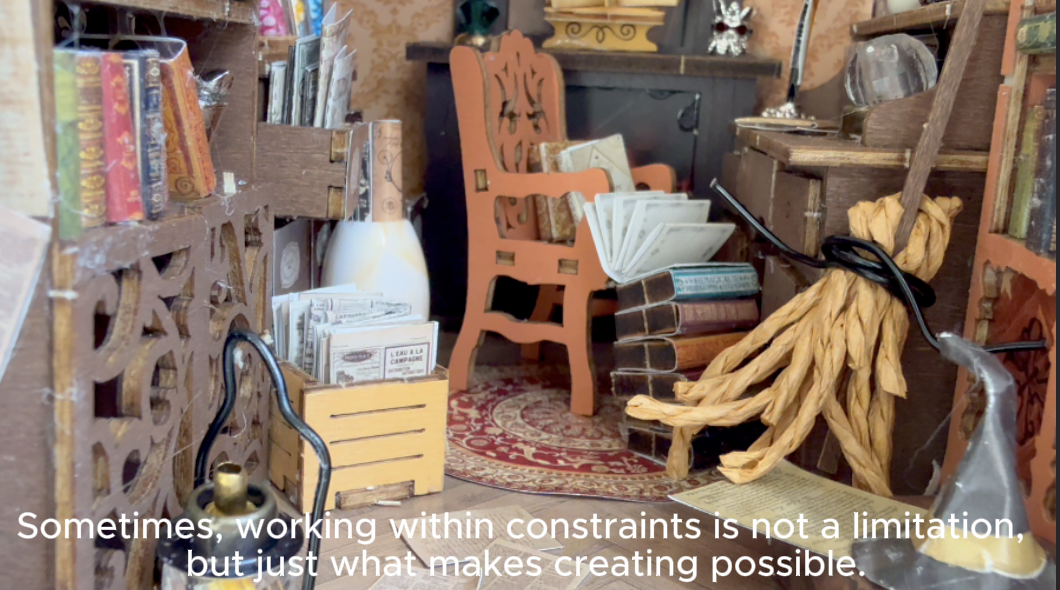
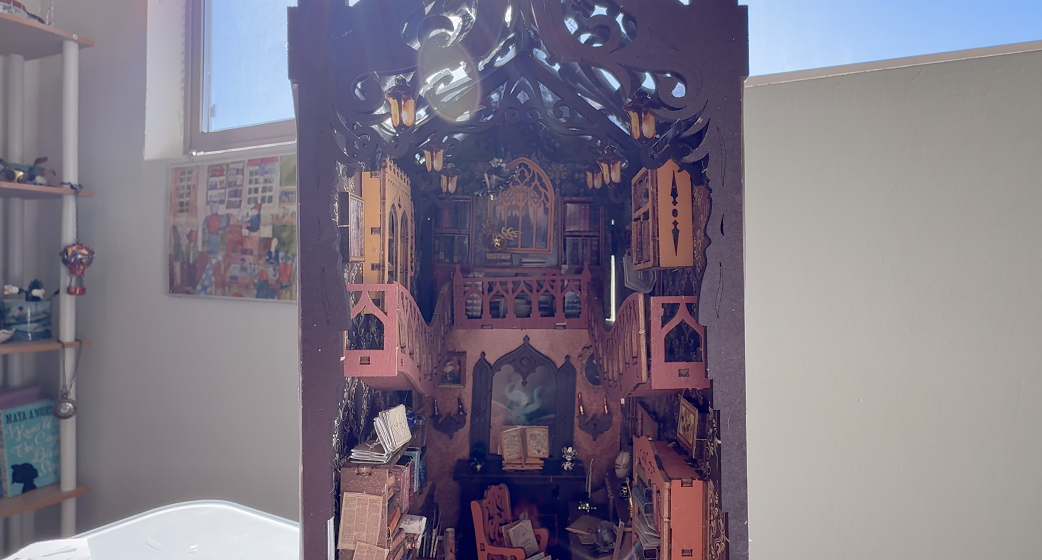
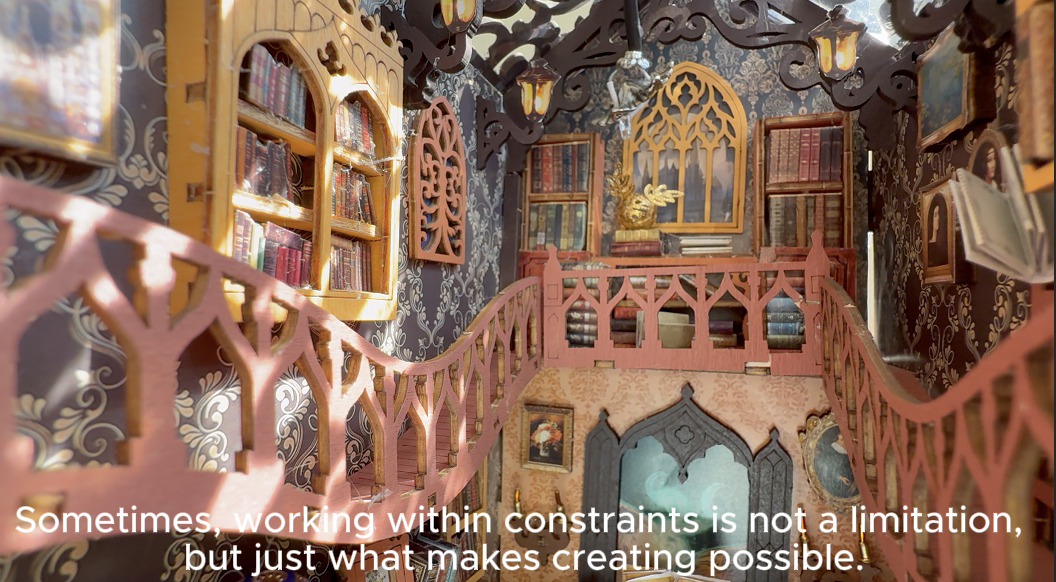
The other day, I was gifted a book nook kit. Kit is the term to emphasize here.

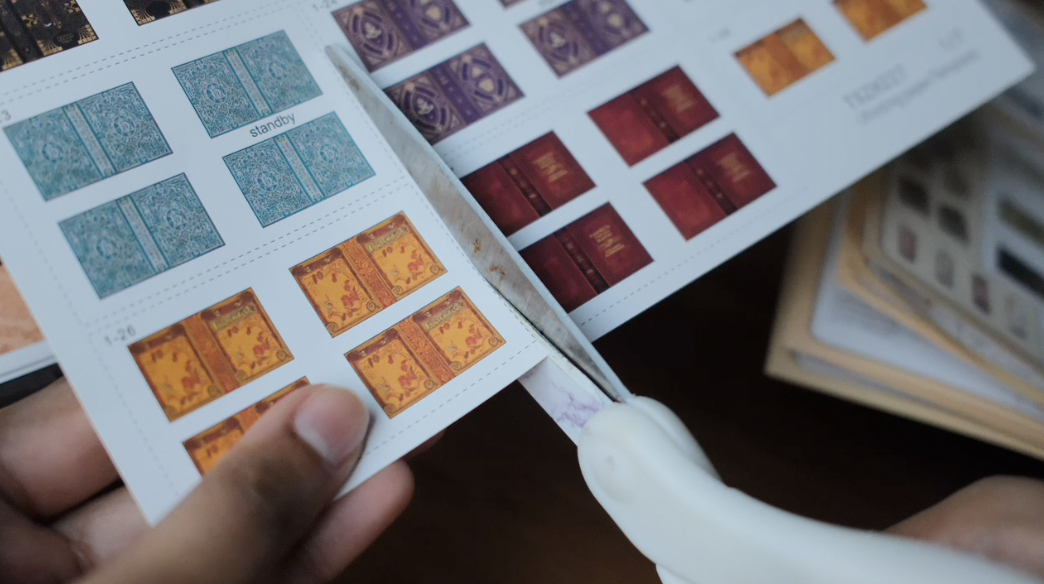
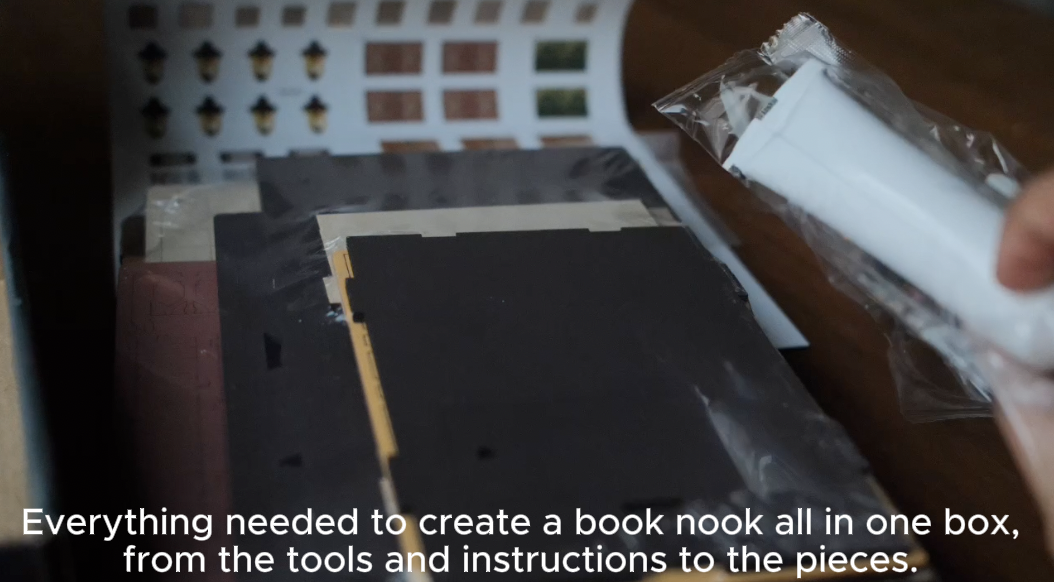
Everything needed to create a book nook all in one box, from the tools and instructions to the pieces. No last-minute trips to the nearest craft store, no scouring the internet for advice, and (hopefully) no uncertainty that it would all work out perfectly. As I started unpacking the box, a question popped up in my mind:
Is making something with a kit still considered creative?
Now, I don’t want to be one of those cheesy people that quotes the dictionary when starting a speech or essay, but too bad–I’m doing it anyways. There are two definitions of creativity that I came across. Webster’s dictionary defines ‘creativity’ as “the ability to create,” while Cambridge’s sees it as “the ability to produce or use original and unusual ideas.” I could get into which dictionary is more accurate based on their origins, the publisher’s legitimacy, their source citations, their monetary value, and so on. But this is not a linguistics blog, so I will not.
When it comes to kits like the book nook, Legos, or pre-designed embroidery sets, they don’t exactly involve “producing or using original and unusual ideas.” After all, someone else has already done the mental heavy lifting to plan out the design and instructions. And the consumer, me or you, get to benefit, turn off our brain, and just build. However, in my professional opinion (as someone with no art degree or PhD), I say that building with kits is still a form of creativity.
In fact, I’m going to go ahead and offer the term structured creativity for making that thrives within constraints rather than in spite of them. I will also officially rebut Cambridge Dictionary’s definition (and that can be quoted).
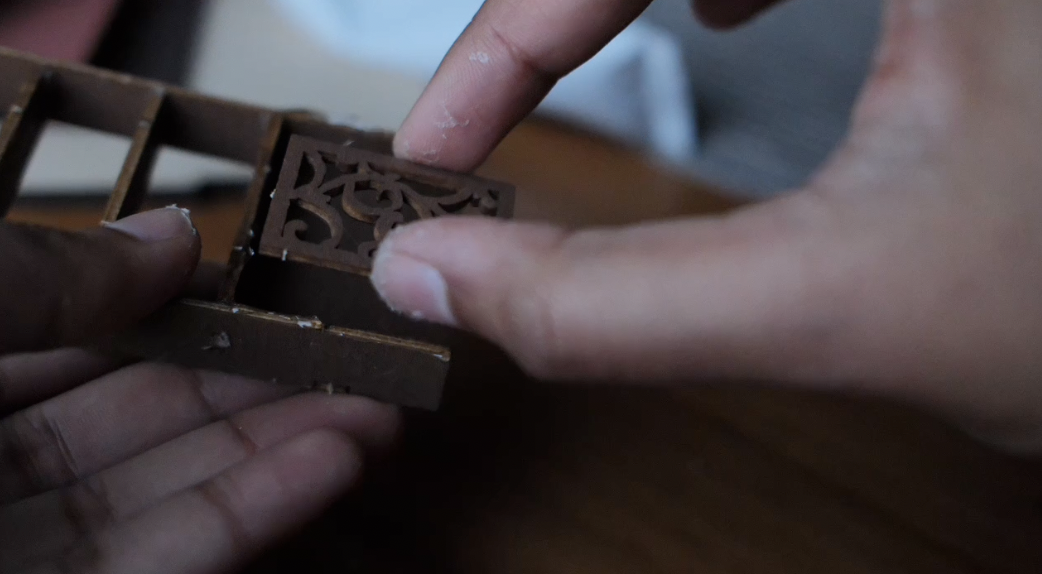
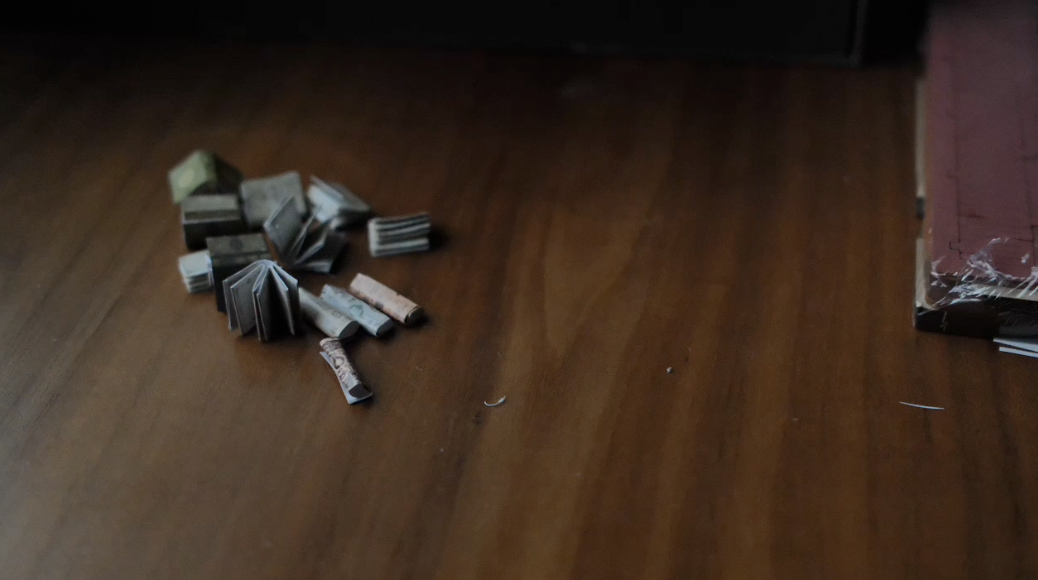
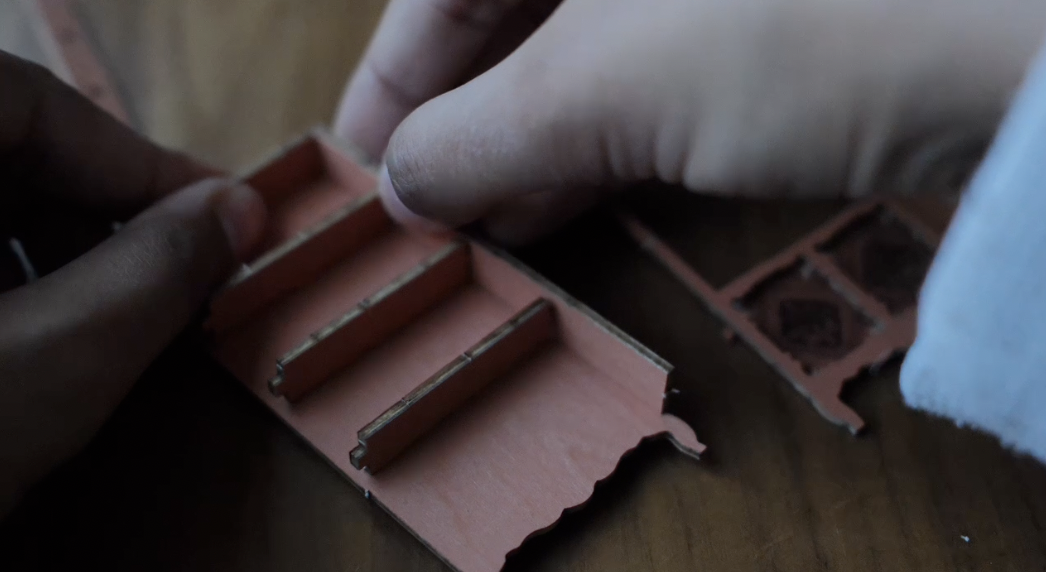
The benefits of this structured approach to creativity are many and for many. For one, it provides an outlet for self-expression on those days when your mind is too fried from the constant noise of traffic, Slack notifications, and never-ending meetings. (Noise you never really asked for, but you got anyways). The days when the thought of thinking up a sketch to paint feels about as appealing as stubbing your toe on the door repeatedly. A kit, such as a “paint by numbers”, becomes appealing because it removes that burden. There is no emotional load, no heavy mental labor. It allows for building even on harder days.
Kits also help hone intuition and skill. Following instructions, assembling pieces, and working through a process creates a foundation that can later support more open-ended creativity. Practice within a manual makes it easier, over time, to work without one.
There are also people who prefer structured creativity. Those with more analytical or engineering-oriented thinking often thrive within a framework. Many neurodivergent people benefit from structured environments with clear goals, visual aids, and step-by-step instructions. These spaces are not overwhelming or overstimulating. They create room to focus and to succeed.

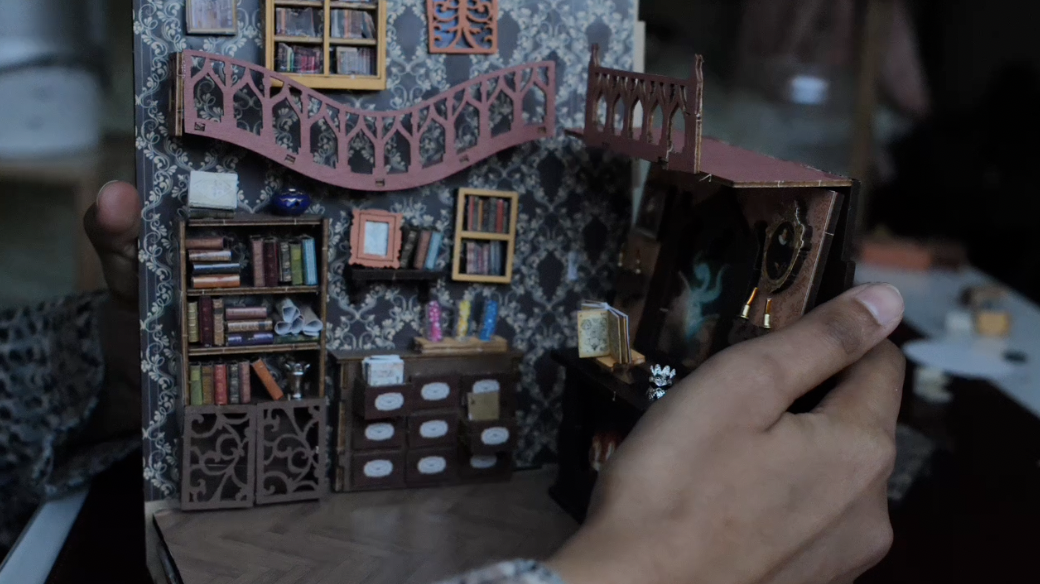
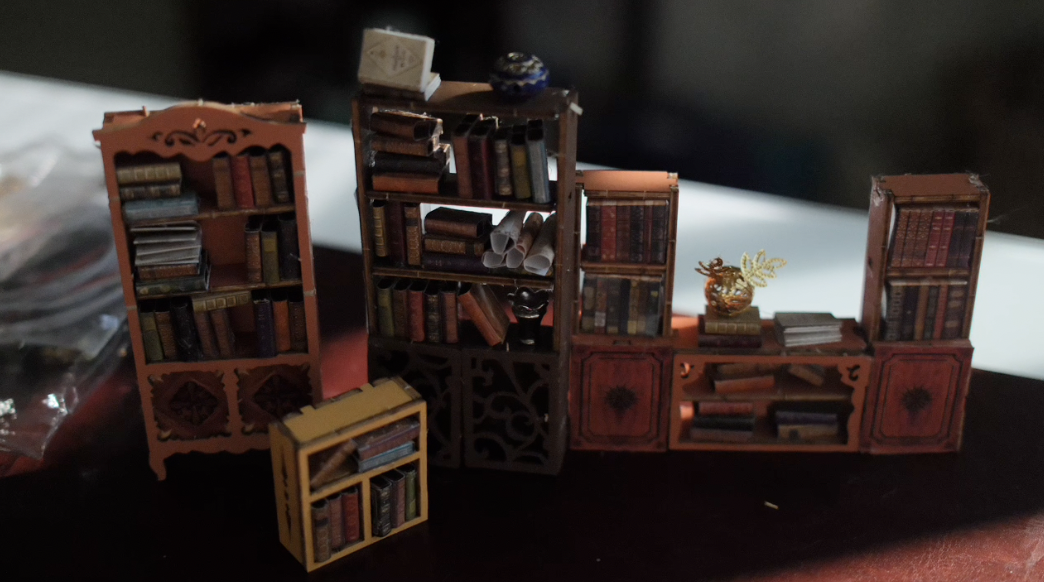
George from LEGO’s Brick Club says, “I enjoy LEGO bricks because it’s nice from different perspectives. It doesn’t feel like there’s much stress.” Isn’t that what art and creativity is for? Self-expression, a difference in view and reflection in the way it is experienced, and hopefully a lack of stress in the process (unless being a tortured artist is the goal).
Of course, not all kits are created equal. That same book nook kit, while ultimately rewarding, was at times tedious and overly complicated. But the joy of the finished product, and the sense of accomplishment in having built it, outweighed the frustrations.
Structured creativity, whether through kits or other guided activities, has an important place alongside more open-ended forms of expression.
Sometimes, working within constraints is not a limitation, but just what makes creating possible.