
Over the holidays, I decided to make paper out of recycled scraps.
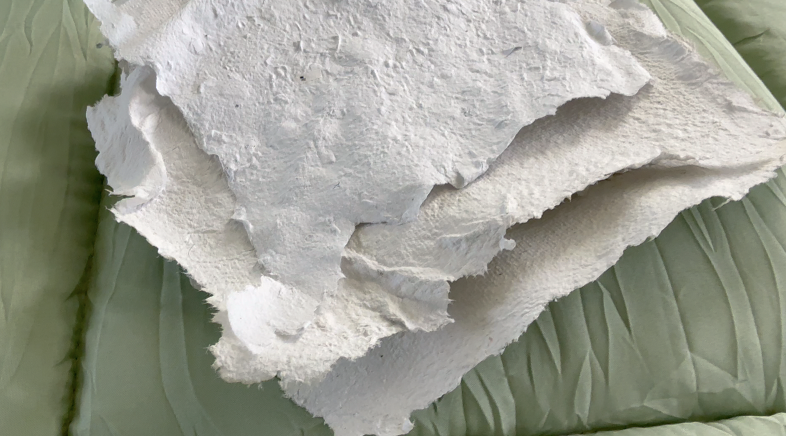
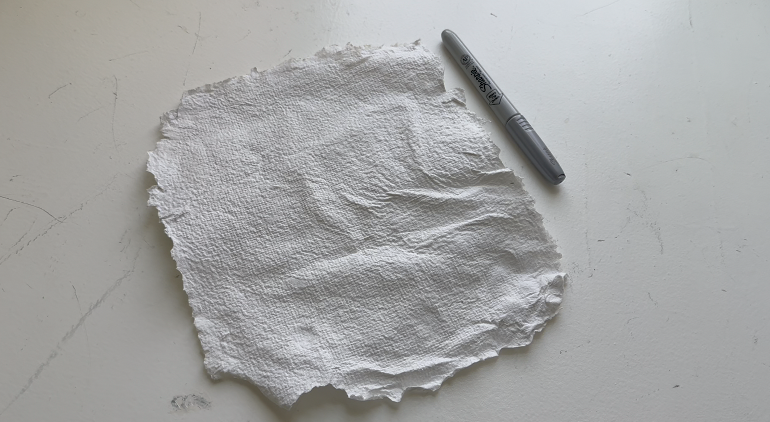
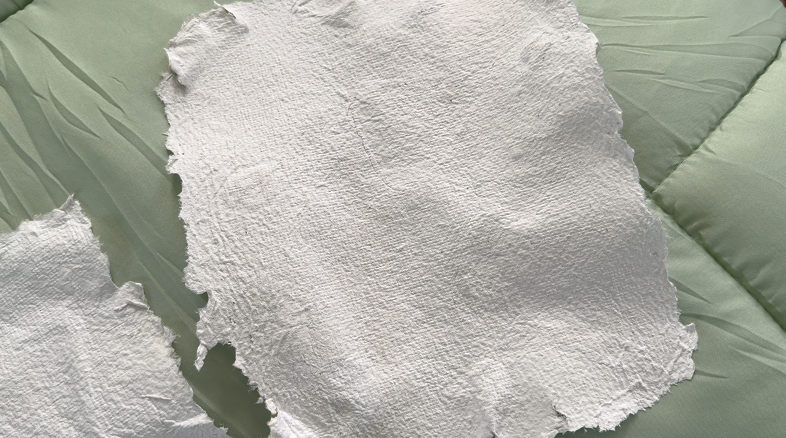
As I went about this endeavor, I heard a few phrases from my parents, my brother, and my friends:
Paper out of paper? … Isn’t that just doing nothing.. ?
I can just buy you some paper if you want. (Followed by a chuckle or two.)
What is going to be so special about this paper?
Looking back, those questions and statements were a little valid. Emphasis on a little.
Because when I was spending a good hour in a thrift store, searching for two picture frames that actually fit together and an old blender that didn’t have mysterious goop in it…
when I was reading dozens of articles about papermaking…
when I was wandering around my local hardware store looking for a window screen…
the final product was not crossing my mind at all.
Instead, I was excited about the process. I just wanted to make something. I wanted the act of doing it. I craved the feeling of creating. These days, the feeling is easy to lose. We see something we want, and with a click of a button, it arrives at our door. There is minimal waiting, a lack of effort, and no understanding of how it came to be in our hands.
Paper, especially, feels invisible and valueless. If we need it, we can get it anywhere. We take it from classrooms or sneak it from office printers, able to find it for free or cheap. Its purpose has declined with the rise of computers and tablets, the tip tapping of keyboards and screens replacing the scratching of pencils and pens. With the small device in our pockets, we are able to tap our thoughts into existence anywhere and everywhere—on the bus, while walking, in meetings, in bed.
It is easy to forget that the humans before us did not have that luxury. The luxury of sharing their thoughts on such a mass scale and with insane ease. If they wanted to record something, they had to mark tree bark, carve clay tablets, or painstakingly prepare papyrus or parchment. They were lucky to write at all, lucky if they could even access the materials.
The earliest known paper dates back to around 200 BCE in China, where a prayer was etched into an adobe brick. Back then and for a long time after, paper was reserved for the government or the very wealthy. No common girl was able to write and record their thoughts on the world (what a time for me to be alive). Now, everyone can write and record their thoughts. Whether that makes the writing more or less meaningful is a question for another day. One I avoid for now, since here I am starting a blog, assuming my thoughts are important enough for someone else to listen to them.
So, ignoring the phrases and chuckles, I went on with the process. And boy, there were points I wondered if I I should just buy some paper instead. Alas, that would have defeated the point. But the process was tedious. Truly, deeply tedious.
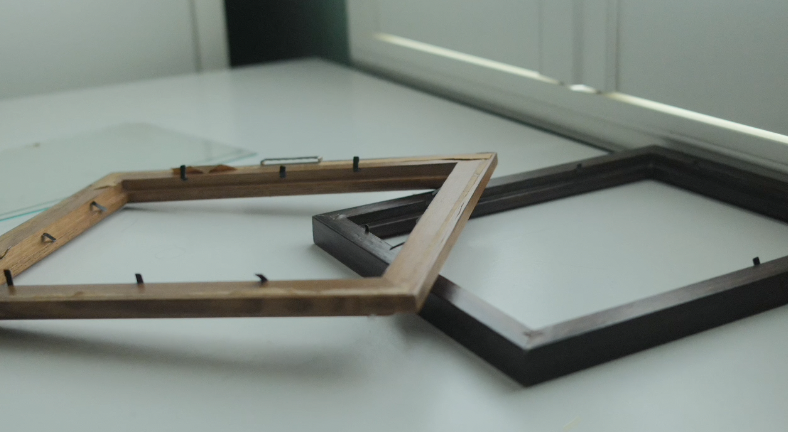
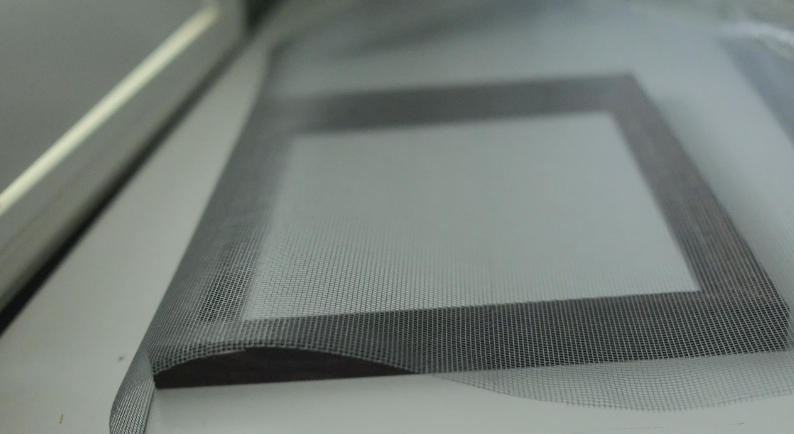
On day zero, preparation day, I made my deckle and mould (spelled ‘mold’ or ‘mould,’ depending on if you are American or normal). I stripped the picture frames to bare wooden squares, removing the glass, photos, and backing. One frame became my mould after I stapled a piece of window screen to it. The other was my deckle. I constantly mixed up the names because, in my opinion, the moulding portion should be called the ‘mould.’ Hot take, apparently.
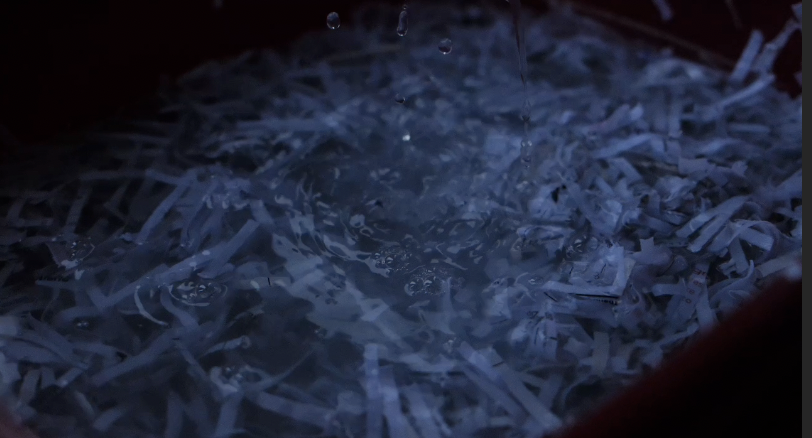
That night, I soaked shredded documents my mother had spent hours destroying earlier that day. What better way to hide secrets than turning them into paper to write new whispers on? Like burying a body in a cemetery. Sort of.
On day one, I blended the soaked paper into pulp—until I smelled smoke coming from the thrift-store blender. I unplugged it immediately, hoping my parents wouldn’t notice, and prayed the pulp was mixed enough to continue.
I poured the mixture into a large bin, added water, and stirred it like I was making soup for a family of ten in medieval times. Then, I tried to form paper using the mould and deckle, transferring each fragile sheet onto cloth to dry.
Tried being the key word. Because I failed, failed, and failed again. But then… I failed some more.

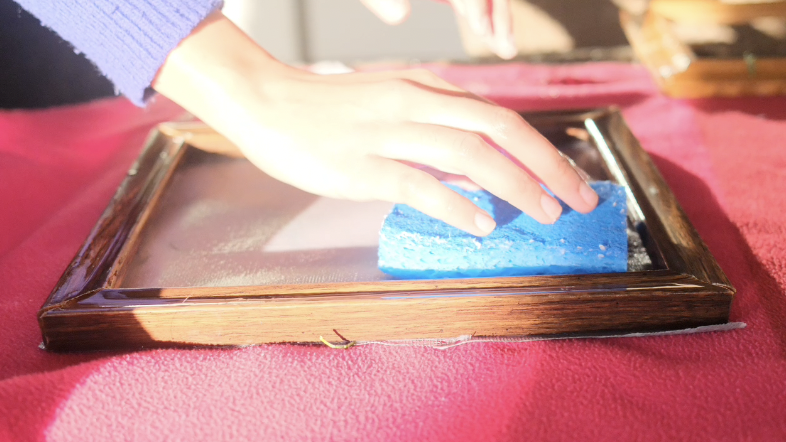
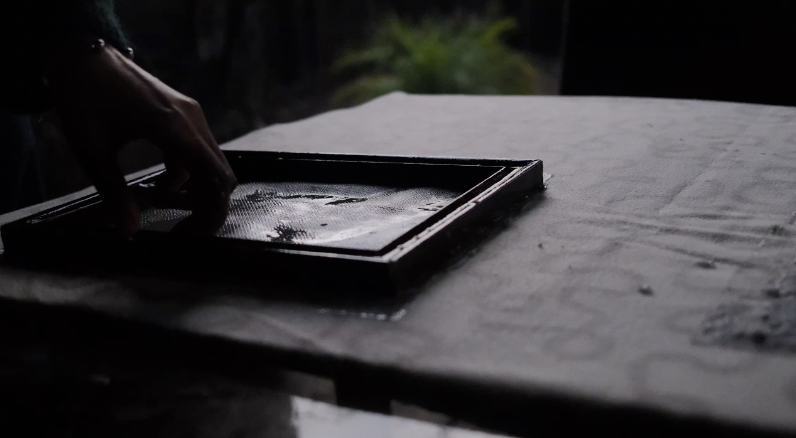
The mixture was too thick, then too thin. The sheets tore while placing them on the cloth. Making something ‘simple’ turned out to be incredibly intricate. It was slow, painstaking work. (Possibly dramatized by my impatience that day.)
But it brought a small, yet grand, revelation to me. With machines and mass production, the process of making has largely disappeared from our lives. In a generation raised on TikToks, Reels, Amazon, and instant answers from Google and AI, the act of slow creation is being more and more lost. I wonder if everyone had to make their own paper, they would think differently about how they use it. And if we had to make our own clothes, maybe we would pause before clicking ‘check out,’ thinking about the hands, often children’s hands, doing that labor for us across the ocean.
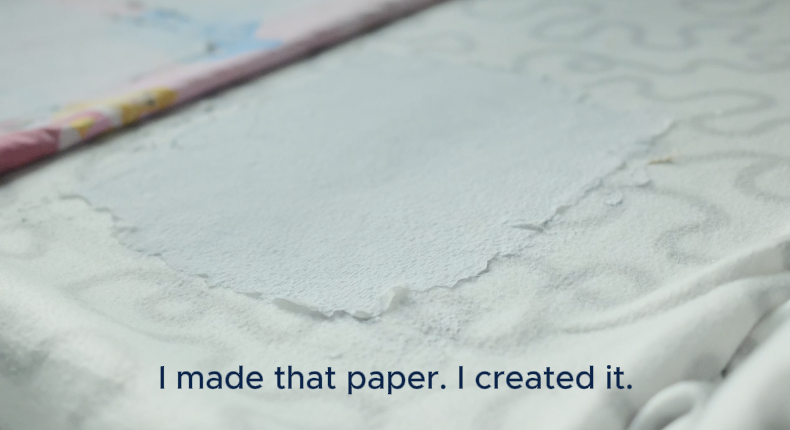
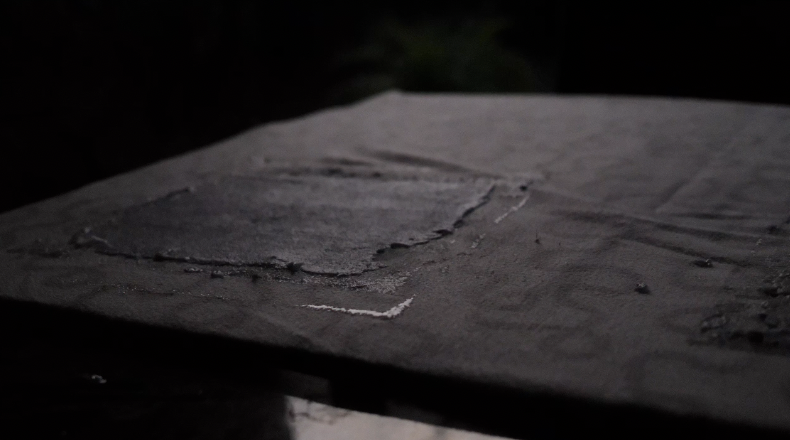
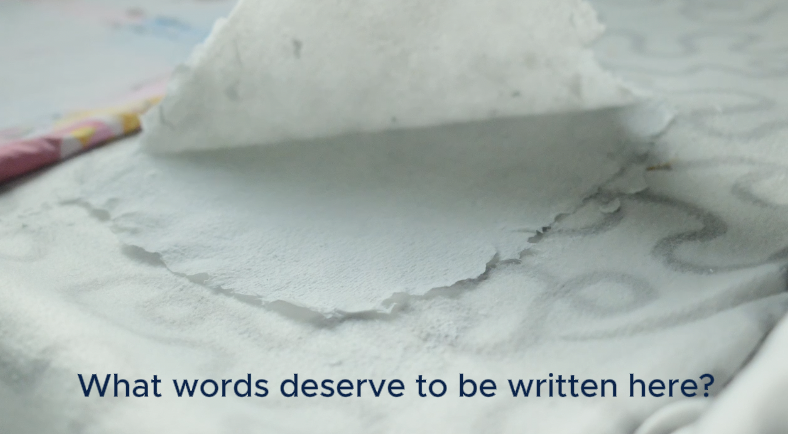
And then, finally, I didn’t fail. When the sheet dried and I peeled it away the morning after, I stared at it in awe. I made that paper. I created it. Then, I wondered what could possibly be worthy of it. What words deserved to be written there? I slowed down. I thought carefully about meaning, intention, and use.
And that, on its own, was beautiful.
In a world of constant consumption and media oversaturation,
I was slowed down and really pondered about what it meant to use a single piece of paper.
Check out these links:
My Video: Full Process
How To: DIY Handmade Recycled Paper
Paper History: History of Papermaking Around the World